
The Origins of Gambling and Early Casinos
The concept of gambling dates back thousands of years, with evidence found in ancient civilizations such as Mesopotamia, China, and Rome. Early forms of gambling involved rudimentary games of chance, often tied to religious rituals or communal gatherings. These early activities laid the groundwork for more organized establishments where people could gather to indulge in games of chance, marking the inception of the casino as we know it today. If you’re interested in exploring various platforms, you can find a variety of betting sites online that shine a light on this fascinating industry.

In the 17th century, the first formal gambling houses emerged in Italy, primarily in Venice. These venues offered a variety of card games and games of chance, reflecting the social status of the players. The design of these early casinos was focused on opulence and allure, drawing patrons from various social backgrounds to engage in both gaming and social interaction. As these establishments gained popularity, they began to evolve in both function and architecture.
The transition from informal gambling settings to structured casinos marked a significant turning point. By the 19th century, casinos began to flourish in Europe, particularly in cities like Monte Carlo and Baden-Baden. These establishments were designed with grandeur in mind, often incorporating intricate decor and elaborate architectural styles. They became symbols of wealth and entertainment, attracting a diverse clientele eager to try their luck and enjoy the luxurious surroundings.
The Rise of American Casinos
The late 19th and early 20th centuries saw the expansion of casinos to America, where the landscape of gambling was transformed. The first legal casino in the United States opened in Nevada in 1931, laying the foundation for what would become a thriving industry. Las Vegas emerged as the epicenter of casino culture, with lavish resorts and casinos that catered to every whim of the visitor.
The architecture of American casinos evolved dramatically during this period, with an emphasis on entertainment value. The iconic Vegas Strip became synonymous with opulent designs, incorporating themes ranging from ancient civilizations to modern art. Casinos like the Bellagio and Caesars Palace were not merely gambling venues but also comprehensive entertainment complexes, offering dining, shopping, and performances alongside gaming.
The rise of Native American casinos in the late 20th century also contributed to the diversification of casino architecture and design across the United States. These establishments often blended traditional motifs with modern design, creating unique spaces that reflect cultural heritage. The profits from these casinos have had significant socio-economic impacts on tribal communities, providing funding for education, health care, and infrastructure.
The Technological Revolution and Modern Casinos
The advent of technology in the late 20th and early 21st centuries dramatically altered the casino landscape. The introduction of electronic gaming machines, such as slot machines and video poker, shifted the focus of gaming away from traditional table games. These machines offered players faster-paced action and an interactive experience, leading to an explosion in casino revenue.
Modern casinos now incorporate sophisticated technology to enhance the player experience. From advanced surveillance systems to ensure security to interactive digital displays that provide real-time information, technology has become an integral part of casino design. Furthermore, the rise of online gambling platforms has opened new avenues for players, blending the traditional casino experience with digital convenience.
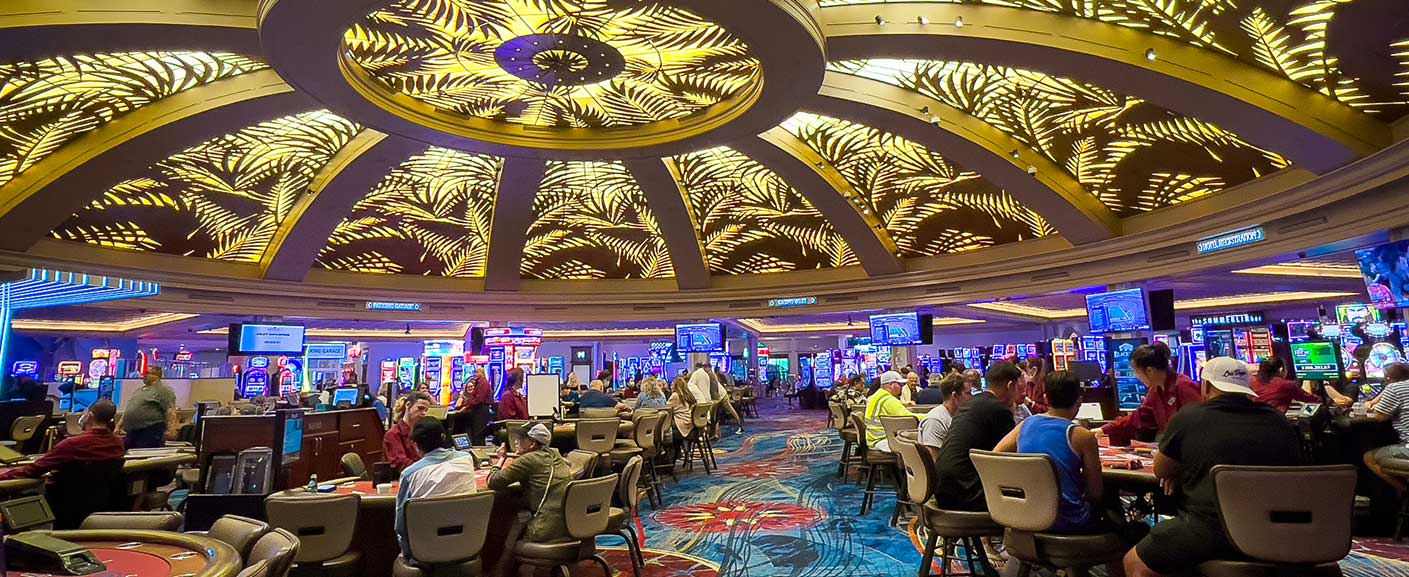
Architecturally, modern casinos reflect this shift towards technology and entertainment. Many contemporary designs include expansive gaming floors filled with cutting-edge machines, luxurious lounges, and state-of-the-art performance venues. The integration of smart technology has also allowed for enhanced customer experiences, from personalized gaming options to seamless payment systems, making casinos more appealing to a broader audience.
The Global Expansion of Casino Culture
In recent years, the global casino landscape has expanded significantly, with new markets emerging in Asia, Europe, and beyond. Countries like China and Singapore have witnessed a surge in casino developments, with integrated resorts that combine gaming, leisure, and tourism. These venues are designed to attract international tourists and elevate the local economy.
The architectural design of these new casinos often combines luxury with cultural elements, creating spaces that are not only functional but also visually striking. For instance, the Marina Bay Sands in Singapore stands as a testament to modern architectural innovation, featuring a unique three-tower structure topped with a sky park. Such designs aim to create a sense of place while providing a world-class gaming experience.
As more countries consider legalizing casinos, the evolution of casino culture continues. This global expansion brings varying cultural influences into casino design, resulting in diverse experiences for players. Whether it’s a high-end resort in the heart of a bustling city or a quaint local casino, each venue reflects the unique characteristics of its environment, contributing to the rich tapestry of global gambling culture.
Exploring the Future of Casinos
As the casino industry continues to evolve, several trends are shaping its future. One significant trend is the emphasis on sustainability and eco-friendly practices in casino design. Many new casinos are being built with environmentally friendly materials and energy-efficient systems, reflecting a growing awareness of the importance of sustainability in business operations.
Additionally, the integration of virtual reality and augmented reality technologies is set to revolutionize the gaming experience. Casinos are exploring ways to create immersive environments that transport players into different worlds, enhancing engagement and enjoyment. This innovation not only appeals to younger generations but also positions casinos as versatile entertainment hubs.
Moreover, the rise of responsible gaming initiatives is becoming an essential aspect of casino operations. Many establishments are implementing programs designed to promote safe gambling practices, ensuring that patrons can enjoy the thrill of gaming while minimizing risks. This focus on player welfare is likely to play a crucial role in shaping the future of the casino industry.
Your Gateway to the Casino World
For those looking to explore the exciting world of casinos, our website serves as an invaluable resource. We provide comprehensive insights and reviews on various casino platforms, helping users make informed decisions about where to play. Whether you’re interested in traditional casinos or the emerging online options, our expert analysis covers everything from game variety to bonuses and customer service.
Our commitment to delivering detailed and accurate information ensures that both novice and seasoned players can find the perfect gaming experience tailored to their preferences. We understand the importance of staying updated with the latest trends in the casino industry, and our platform is designed to keep you informed.
Join us on this thrilling journey through time and chance as we explore the evolution of casinos. Your adventure awaits, and with our guidance, you can navigate the ever-changing landscape of gaming with confidence and excitement.